How to Choose the Best Orthopedic Navigation Systems?

Time:2026-06-10 Author:Madeline
0%

Choosing the right orthopedic navigation system is a crucial decision for healthcare providers. The global orthopedic navigation systems market is projected to grow significantly, with an expected increase from $1.04 billion in 2021 to $1.66 billion by 2028, according to a recent report by Fortune Business Insights. This growth underscores the importance of understanding how to choose orthopedic navigation systems effectively.

Healthcare professionals face numerous challenges when selecting these technologies. They must consider system accuracy, user interface, and integration with existing surgical tools. A system that lacks reliability can lead to surgical complications, affecting patient outcomes. Furthermore, studies from the Journal of Bone and Joint Surgery indicate that improper navigation can increase operation time by up to 30%. This statistic highlights the significant impact of a well-chosen navigation system.

Experts suggest evaluating numerous options before making a decision. This includes seeking input from surgical teams and analyzing clinical performance data. However, the rapid advancement of technology may render some systems obsolete quickly. Thus, ongoing training and support for surgical staff are essential in maintaining proficiency with new systems. Reflecting on these aspects can lead to more informed choices in the dynamic field of orthopedic navigation systems.
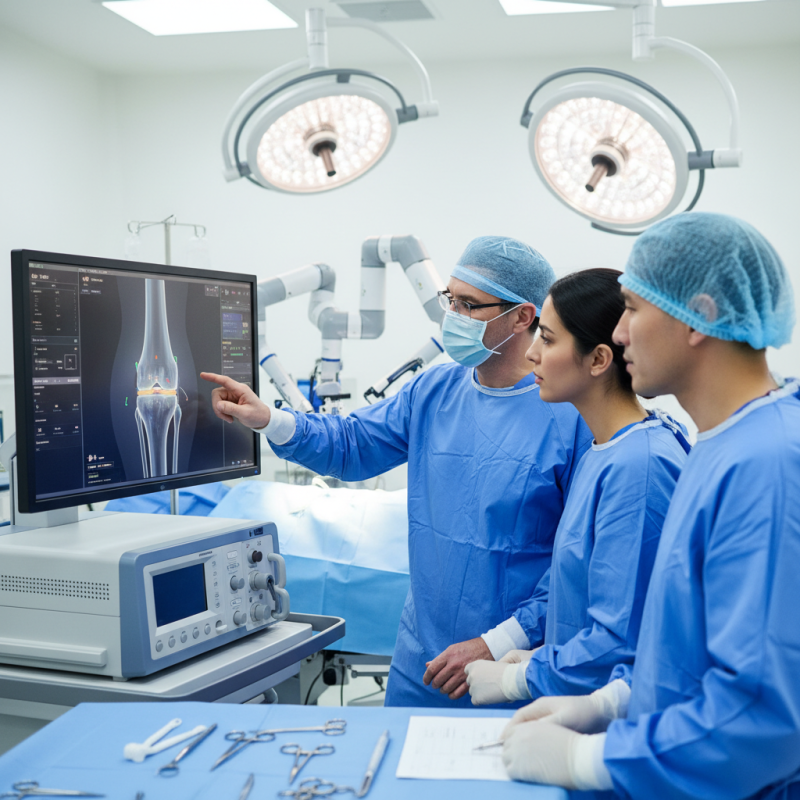
How to Choose the Best Orthopedic Navigation Systems?

Understanding the Purpose and Benefits of Orthopedic Navigation Systems

Orthopedic navigation systems play a crucial role in enhancing surgical precision. These systems assist surgeons in achieving accurate bone alignment and positioning during procedures. The integration of advanced imaging technologies allows real-time visualization of the surgical area. Surgeons can make informed decisions with greater confidence. This enhances not only the outcomes but also patient safety.

The benefits of orthopedic navigation systems extend beyond precision. They can reduce operation times and minimize complications. However, the implementation requires training and experience. Surgeons must familiarize themselves with the technology. This learning curve can pose challenges, particularly for those transitioning from traditional methods. Reflecting on these difficulties can lead to improved workflows and better patient care in the long run.

Despite their advantages, orthopedic navigation systems are not without drawbacks. They may add costs and require maintenance. It is essential for medical facilities to weigh these factors. Decision-makers should consider the specific needs of the surgical team and the patients. Balancing technology with practical experience is key to maximizing the effectiveness of these systems.

Key Features to Look for in Orthopedic Navigation Technology

When selecting an orthopedic navigation system, key features matter significantly. Accuracy in tracking is paramount. A system should offer real-time guidance during procedures. Precision ensures better alignment and minimizes complications. Additionally, ease of use plays a crucial role. The interface should be intuitive, allowing surgeons to focus on the task rather than fumbling with controls.

Another essential feature is integration capabilities. A system that seamlessly connects with imaging technologies enhances its effectiveness. Look for systems that support various imaging modalities. This versatility can improve diagnostic accuracy. However, it's important to note that over-reliance on technology may lead to lapses in surgical skills.

User training is also vital. A system may have advanced features, but without proper training, its benefits are diminished. Ongoing education ensures that the surgical team remains adept at using the technology effectively. Ultimately, the best systems balance innovation with practicality and support continuous learning.

Comparative Analysis of Leading Brands in Orthopedic Navigation Systems

When choosing an orthopedic navigation system, it is crucial to focus on the specific strengths and weaknesses of the leading brands. A comparative analysis of these systems reveals significant differences. For instance, studies show that systems utilizing augmented reality improve surgical precision by up to 30%. Surgeons reported higher satisfaction rates with 3D imaging capabilities, which enhances spatial awareness during complex procedures.

Another critical factor is the ease of integration with existing surgical workflows. Reports indicate that systems that require less time for setup and training saw a 25% increase in user adoption. However, some brands still face challenges with interoperability, causing frustration among surgical teams. Feedback from users highlights the importance of a responsive support network. When issues arise, prompt assistance is vital for minimizing disruptions.

Cost efficiency remains a hot topic. Some systems present a lower initial investment but have higher operating costs in the long run. Comprehensive evaluations often reveal hidden expenses associated with maintenance and software updates. It's essential to analyze these factors alongside performance metrics to make an informed decision. Choosing the right system necessitates a thoughtful reflection on both current needs and future advancements in the field.

Evaluating Cost-Effectiveness and ROI of Navigation Systems in Surgery

Evaluating the cost-effectiveness of orthopedic navigation systems in surgery is crucial for hospitals and clinics. A recent study revealed that navigation systems could reduce the average surgery time by 20%. This efficiency can significantly lower operational costs. However, the initial investment remains a barrier for some facilities. A strategic approach is essential to assess if the long-term benefits outweigh these costs.

Return on investment (ROI) is an essential metric. Reports indicate that facilities adopting navigation systems see a 12-15% increase in procedural quality. Improved outcomes can lead to higher patient satisfaction and reduced revision rates, which impacts overall hospital revenue. Yet, measuring these benefits accurately can be challenging. Understanding how patient volume and insurance reimbursements factor into the equation is vital for making informed decisions.

Clinicians should also consider training and maintenance in their evaluations. Ongoing staff education is necessary to maximize the benefits of these advanced systems. Regular updates are essential for maintaining accuracy and reliability. While the upfront costs can be daunting, the potential for improved patient outcomes may justify the financial commitment. Establishing a clear framework for assessing these factors will help ensure responsible investment in orthopedic navigation technologies.

Recent Advances in Navigation Technology: Impact on Patient Outcomes

Recent advances in navigation technology have significantly improved patient outcomes in orthopedic procedures. These innovations enhance the precision of surgical interventions. By utilizing cutting-edge imaging and tracking systems, surgeons can better navigate complex anatomy. This leads to more accurate placements of implants, reducing the risk of complications.

Tips: Focus on systems that offer real-time data. Look for features such as 3D imaging and intuitive user interfaces. These tools can aid in minimizing surgical errors and improving recovery times.

The impact of these technologies extends beyond the operating room. Patients experience less pain and quicker rehabilitation. High-definition visuals allow surgeons to anticipate challenges. However, the steep learning curve can hinder some practitioners. It's crucial to ensure thorough training and integration into surgical workflows. Embracing these changes is essential for enhancing care quality and patient satisfaction.

FAQS

: What is the most important feature in orthopedic navigation technology?

: Accuracy in tracking is paramount. Real-time guidance enhances precision and minimizes complications during procedures.

How can ease of use affect surgical outcomes?

An intuitive interface allows surgeons to focus better. Fumbling with controls can lead to mistakes.

Why is integration capability crucial in orthopedic navigation systems?

Seamless connectivity with imaging technologies improves diagnostic accuracy. Versatility supports various imaging modalities.

What role does user training play in maximizing technology benefits?

Proper training ensures the surgical team can effectively use advanced features. Ongoing education helps maintain skills.

How does augmented reality impact surgical precision?

Systems using augmented reality can improve surgical precision by up to 30%. Surgeons report higher satisfaction rates.

What challenges do some brands face?

Some systems struggle with interoperability. This can frustrate surgical teams and disrupt workflow.

Why is cost efficiency a critical factor in choosing a system?

Initial costs might be low, but hidden expenses can arise. Long-term maintenance and updates need consideration.

How does setup time influence user adoption of these systems?

Systems that require less setup time lead to a 25% increase in user adoption. Efficiency matters in busy environments.

Can over-reliance on technology affect surgical skills?

Yes, dependence on tech may lead to lapses in skills. Balance between technology and practice is essential.

What should be considered for future decisions on navigation systems?

A thoughtful reflection on current needs and future advancements is vital. This helps in making informed choices.

Conclusion

When considering how to choose orthopedic navigation systems, it's essential to understand their purpose and benefits, which can significantly enhance surgical precision and patient outcomes. Key features to look for include accuracy, ease of use, and integration capabilities with existing surgical tools. A comparative analysis of leading brands indicates the diverse functionalities and technologies available, allowing practitioners to make informed decisions based on their specific needs.

Moreover, evaluating the cost-effectiveness and return on investment (ROI) is crucial, as these systems often represent a significant financial commitment. Recent advances in navigation technology further underscore the importance of these systems, demonstrating improved patient outcomes and reduced recovery times. By carefully considering these factors, healthcare providers can select the orthopedic navigation system that best fits their surgical practices and patient care goals.

Madeline

Madeline

Madeline is a dedicated marketing professional with a wealth of expertise in our company's core offerings. With a keen understanding of the industry, she brings a unique perspective to her role, consistently delivering high-quality content that highlights the superior aspects of our products. As......