In trauma cases, the choice of fixation pins can significantly impact patient outcomes. Selecting the right pins is crucial for stability and healing during recovery. Dr. John Smith, an expert in orthopedic surgery, emphasizes this importance: "Choosing the correct fixation pins ensures optimal healing and minimizes complications."
When considering how to select fixation pins for trauma cases, several factors come into play. Material types, pin diameter, and length are critical to address. Each patient's situation is unique. Sometimes, what works for one may not suit another. Clinicians must evaluate these variables closely.
A wrong selection can lead to significant setbacks. It may require additional surgeries, or worse, prolonged recovery times. An experienced surgeon must balance expertise and intuition when making these decisions. This process demands careful consideration of all aspects involved in each specific injury.
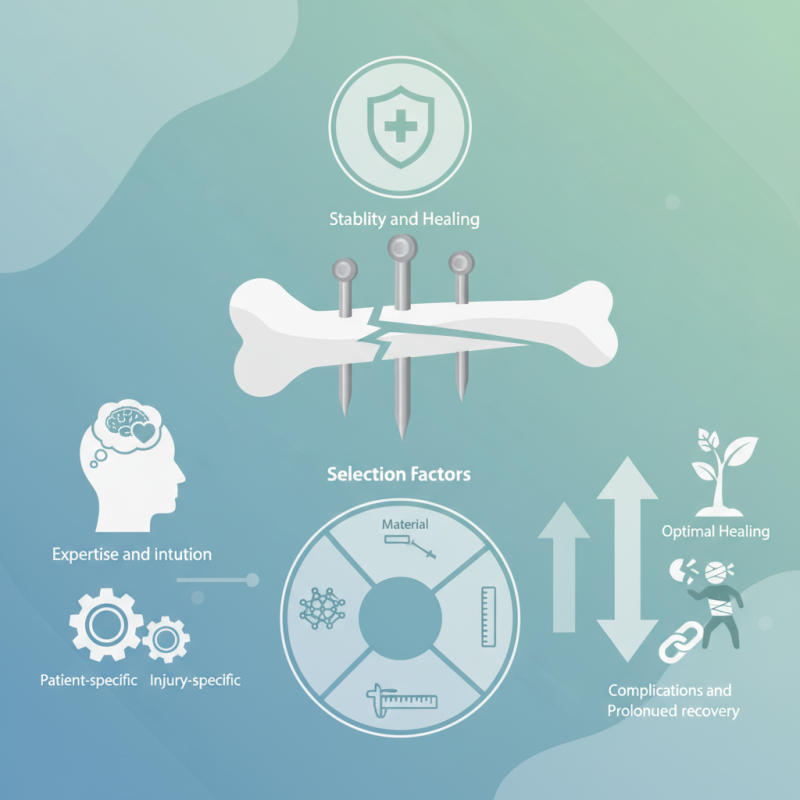
In trauma surgery, fixation pins play a critical role in stabilizing fractures. These pins create an internal support structure, allowing for proper healing. According to a study published in the Journal of Orthopaedic Trauma, approximately 80% of patients with trauma cases benefit from effective fixation techniques. The choice of fixation pins can significantly affect recovery time and outcomes.
The durability and material of fixation pins vary. Stainless steel and titanium are commonly used due to their strength. A report from the American Academy of Orthopaedic Surgeons highlighted that titanium pins reduce the risk of infection and promote faster osseointegration. However, surgeons must balance benefits with potential complications, such as pin loosening or migration. Each trauma case is unique, and selecting the right pin requires careful consideration of the patient's overall condition.
Surgeons often face challenges in pin selection. Factors like bone quality, fracture type, and patient age impact decisions. In some instances, improper pin size may lead to suboptimal outcomes. Reflecting on past surgeries where pin failures occurred can provide valuable insights for future cases. This ongoing evaluation is essential for improving surgical practices and patient safety.
This chart illustrates the significance of using appropriate fixation pins in trauma surgery based on their various characteristics. The data shows the percentage of surgeons prioritizing different attributes when selecting fixation pins, underlining the crucial role these elements play in patient recovery.
In trauma cases, the choice of fixation pins is vital. These pins are critical for stabilizing fractures and ensuring proper healing. Different types of fixation pins serve various needs depending on the injury specifics.
Intramedullary nails are designed for long bone fractures. They provide internal support and reduce the risk of malunion. External fixation pins, on the other hand, stabilize bone externally. This method is often chosen for severe fractures or when internal methods are not viable. The right pin choice can significantly impact recovery time and potential complications.
Surgical teams must evaluate many factors. Bone quality, fracture pattern, and patient health all play substantial roles. The ideal fixation pin should balance stability and ease of insertion. It is easy to overlook these details during surgery. Each choice carries risks, and professionals must reflect on their decisions to ensure the best outcomes.
When selecting fixation pins for trauma cases, several factors must be evaluated. The material of the pins can impact both strength and biocompatibility. Stainless steel is often favored for its strength, while titanium offers excellent biocompatibility. According to a report by the Journal of Orthopedic Research, approximately 30% of complications in trauma cases arise from improper fixation pin selection. This highlights the critical nature of making an informed choice.
Pin diameter is another important aspect. A study published in the Clinical Orthopedics and Related Research found that pins with a diameter of less than 3 mm had a higher rate of failure. Surgeons should consider the specific fracture type when determining the appropriate gauge.
Tips: Always review the patient's bone quality before pin selection. Utilize imaging studies to assess the fracture site. Always keep in mind: not all pins perform equally in every situation. Adjusting the method of fixation based on patient needs can prevent complications.
Understanding the balance between fixation strength and recovery time is vital. Over-fixation can lead to delayed healing. Aim for optimal pin placement to reduce stress on surrounding tissues. Regular evaluation and feedback are essential for improving fixation outcomes.
In trauma cases, the choice of fixation pins is not just a technical detail. The quality of these pins can significantly affect patient outcomes. High-quality pins improve stability in fractures, which is essential for proper healing. Conversely, inferior pins may lead to complications. These complications can result in prolonged recovery or even additional surgeries.
Choosing the right type of fixation pin is crucial. Surgeons should assess the patient's specific needs and the nature of the injury. Tips for optimal selection include considering the pin material, size, and design. It's vital to understand how each factor impacts healing.
Patients should also be involved in discussions about fixation options. Understanding the implications of various materials can empower patients. Questions to ask might include, "What are the risks associated with these pins?" or "How will the choice affect my recovery?" Keeping an open dialogue can lead to more personalized care.
In trauma cases, choosing the right fixation pins is essential. Clinical studies indicate that improper pin selection can lead to complications in 25% of cases. Surgeons must understand the biomechanics involved in pin placement. Each patient and fracture type present unique challenges. Experience with various materials and designs aids in making informed decisions.
Best practices for using fixation pins include proper insertion techniques and ensuring adequate stabilization. Regular training for surgical teams enhances procedural accuracy. The use of image guidance technology has been found to reduce errors and improve outcomes. Reports show that facilities employing advanced imaging experience a 30% decrease in misalignment.
Surgeons should remain aware of potential risks, such as pin migration or infection. Literature suggests that careful selection of pin length and diameter can significantly reduce these risks. Continual monitoring of postoperative outcomes contributes to improved practices. Reflection on previous cases can guide future interventions.
| Fixation Pin Type | Material | Indication | Recommended Size (mm) | Notes |
|---|---|---|---|---|
| Intramedullary Pins | Stainless Steel | Fractures of long bones | 3.5 - 4.0 | Good for stabilization of fractures |
| Cannulated Pins | Titanium | Joint fixation | 2.0 - 6.5 | Allows for guide wire placement |
| K-Wires | Stainless Steel | Temporary fixation | 0.8 - 1.6 | Flexible and easy to remove |
| Bone Screws | Titanium Alloy | Bone fragment fixation | 3.5 - 6.5 | Provides stronger fixation |
| Threaded Pins | Stainless Steel | Fracture stabilization | 2.0 - 4.0 | Effective for compression |
: Fixation pins stabilize fractures, creating internal support for proper healing.
Stainless steel and titanium are widely used for their strength and durability.
Titanium pins reduce infection risks and promote faster osseointegration during recovery.
Factors like bone quality, fracture type, and patient age complicate pin selection.
Intramedullary nails support long bone fractures; external fixation pins stabilize bones externally.
Incorrect pin selection can lead to complications in about 25% of trauma cases.
Regular training and using image guidance technology enhance procedural accuracy and outcomes.
Potential risks include pin migration, infection, and complications from improper pin size.
Analyzing previous pin failures offers insights for improved surgical decisions and patient safety.
Continual monitoring helps identify issues early and guides improvements in surgical practices.
Choosing the right fixation pins in trauma cases is essential for ensuring the best surgical outcomes. Fixation pins play a pivotal role in stabilizing fractures, allowing for optimal healing and recovery. Various types of fixation pins are utilized in trauma surgery, each designed for specific applications and patient needs. When addressing how to select fixation pins for trauma cases, surgeons must consider factors such as the material, size, and design of the pins, alongside the specific nature of the injury and the patient’s overall health.
The quality of fixation pins significantly impacts patient outcomes, as poorly chosen pins can lead to complications, prolonged recovery, and even further injury. Implementing best practices in the selection and application of fixation pins helps ensure successful surgical interventions. Therefore, a thorough understanding of the role of fixation pins, alongside careful consideration of all relevant factors, is crucial for achieving the desired results in trauma surgery.

Clerivida Medical